

CAR CARE TIPS BLOG
Car batteries are a crucial part of your vehicle's electrical system since they supply the energy required to start your engine and maintain the functionality of your lights, radio, and other accessories. However, automotive batteries have a finite lifespan like anything else. So, what is the average lifespan of a car battery, and when is it time for a car battery replacement?
Depending on several variables, a car battery typically lasts 3 to 5 years. These variables include the battery's type, the environment, how it is used, and how it is maintained. The most popular kind of automotive battery is a lead-acid battery, with a life expectancy of three to four years. However, more recent battery types, like lithium-ion and absorbent glass mats (AGM), can last up to five years or longer.
How do you know what is the average lifespan of a car battery? Ask the auto professionals at Rebel Automotive if it’s time for a car battery replacement.Car batteries are a crucial part of your vehicle's electrical system since they supply the energy required to start your engine and maintain the functionality of your lights, radio, and other accessories. However, automotive batteries have a finite lifespan like anything else. So, what is the average lifespan of a car battery, and when is it time for a car battery replacement?
Depending on several variables, a car battery typically lasts 3 to 5 years. These variables include the battery's type, the environment, how it is used, and how it is maintained. The most popular kind of automotive battery is a lead-acid battery, with a life expectancy of three to four years. However, more recent battery types, like lithium-ion and absorbent glass mats (AGM), can last up to five years or longer.
READ MOREAn alternator is a device that converts mechanical energy into electrical energy. It is a critical component in the operation of a vehicle, and its life expectancy is an important consideration when purchasing a car. The average life of an alternator is about seven years, but it can vary depending on the make and model of the vehicle as well as driving habits.
Alternators comprise two main components—the rotor and the stator. The rotor is the moving part and contains a set of magnets that pass over the windings on the stator, which consists of wound copper wire. As the magnets rotate, they generate an electrical current in the windings. In addition to generating electricity, alternators regulate voltage by increasing or decreasing electrical output as engine speed changes.
Some drivers wonder what is the average life of an alternator? Ask your mechanic for advice on how to maintain car starters and Auto electric problems.
An alternator is a device that converts mechanical energy into electrical energy. It is a critical component in the operation of a vehicle, and its life expectancy is an important consideration when purchasing a car. The average life of an alternator is about seven years, but it can vary depending on the make and model of the vehicle as well as driving habits.
Alternators comprise two main components—the rotor and the stator. The rotor is the moving part and contains a set of magnets that pass over the windings on the stator, which consists of wound copper wire. As the magnets rotate, they generate an electrical current in the windings. In addition to generating electricity, alternators regulate voltage by increasing or decreasing electrical output as engine speed changes.
READ MOREThe Importance of Replacing Brake Pads on Time: Costly Repairs and Safety Risks
When you apply the brakes, brake pads, an essential part of any vehicle braking system, cause the vehicle to slow down or halt. Unfortunately, brake pads degrade over time like any other mechanical parts. What happens if you don't replace brake pads? If you do not change them when necessary, it could seriously harm your car and jeopardize your safety.
Brake rotor damage will occur if brake pads are not replaced, costing you more money. The brake rotor will sustain greater damage the longer you wait, increasing the repair cost. The rotor may deform or even shatter due to the heat generated by the friction of the brake pads against it. As a result, the repair would be more expensive because you would need to replace the rotor and the brake pads.
Wondering what happens if you don't replace brake pads? Ask a brake specialist at Rebel Automotive about replacing brake rotors.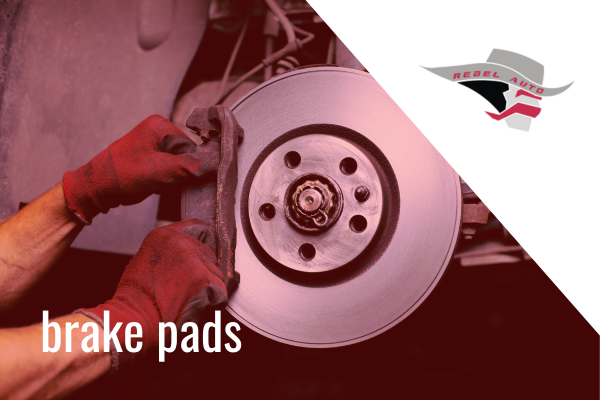
The Importance of Replacing Brake Pads on Time: Costly Repairs and Safety Risks
When you apply the brakes, brake pads, an essential part of any vehicle braking system, cause the vehicle to slow down or halt. Unfortunately, brake pads degrade over time like any other mechanical parts. What happens if you don't replace brake pads? If you do not change them when necessary, it could seriously harm your car and jeopardize your safety.
Brake rotor damage will occur if brake pads are not replaced, costing you more money. The brake rotor will sustain greater damage the longer you wait, increasing the repair cost. The rotor may deform or even shatter due to the heat generated by the friction of the brake pads against it. As a result, the repair would be more expensive because you would need to replace the rotor and the brake pads.
READ MORE